Define the Potentials!

October
1
,
2026
2026
Ulvi AYDIN
SALES IS A CRAFT. MASTER IT. Everybody talks about sales strategy. Market strategies. Growth strategies. Customer strategies. Go-to-market strategies. Fine. But even the smartest strategy is worthless if the execution is poor. Sales is not only strategy. Sales is craftsmanship. And craftsmanship means doing the basics exceptionally well. Every day. Again and again. 1. SHOW UP. Go and see your customers. Not only on Teams. Not only by email. Not only when there is an RFQ on the table. Get in front of them. Show genuine interest. Understand their business. Understand their problems. Build relationships. And make one thing unmistakably clear: We want your business. Customers should feel that you are willing to work hard for the relationship. 2. PRIORITIZE YOUR CUSTOMERS. Not every customer deserves the same amount of your time. Cluster them. A. B. C. Know which customers generate your business today — and which customers could generate your business tomorrow. Define priorities. Then define the right actions for every cluster. Who needs a personal visit? Who needs management attention? Who needs technical support? Who needs a call every month? Stop treating every customer the same. 3. PUT A NUMBER ON EVERY CUSTOMER. What is the potential? €500,000? €1 million? €5 million? Define it. Then define how much of that potential you intend to capture. Because if you don't know where you want to go, don't be surprised where you end up. Or, as the old saying goes: “No wind is favorable to the sailor who does not know which port he is heading for.” Customer potential without a target is just a number. Give every important customer a destination. 4. BE RELENTLESS. Sales requires persistence. Especially with customers who are not buying from you yet. And especially with customers you have lost to competitors. My rule is simple: Approach them ten times. Call. Visit. Follow up. Bring an idea. Bring an expert. Bring a solution. Come back. Again. Again. Again. Not because you want to annoy them. Because you want them to understand: We want you as our customer. And we are willing to fight for your business. 5. WORK. WORK. WORK. There is no sophisticated substitute for hard work in sales. Do your homework. Prepare your meetings. Know the customer. Know the decision-makers. Know the competition. Know the opportunity. Follow up. Keep your promises. Document what you agreed. Define the next step. And then execute it. That is what I mean by clean sales craftsmanship. Sales success is not created in PowerPoint. It is created through hundreds of disciplined actions in the market. Step by step. Customer by customer. Opportunity by opportunity. Strategy tells you where to go. Tactics get you there. And execution separates those who talk about growth from those who actually deliver it. Show up. Be prepared. Be persistent. Execute relentlessly. That is sales. SALES IS A CRAFT. MASTER IT. Everybody talks about sales strategy. Market strategies. Growth strategies. Customer strategies. Go-to-market strategies. Fine. But even the smartest strategy is worthless if the execution is poor. Sales is not only strategy. Sales is craftsmanship. And craftsmanship means doing the basics exceptionally well. Every day. Again and again. 1. SHOW UP. Go and see your customers. Not only on Teams. Not only by email. Not only when there is an RFQ on the table. Get in front of them. Show genuine interest. Understand their business. Understand their problems. Build relationships. And make one thing unmistakably clear: We want your business. Customers should feel that you are willing to work hard for the relationship. 2. PRIORITIZE YOUR CUSTOMERS. Not every customer deserves the same amount of your time. Cluster them. A. B. C. Know which customers generate your business today — and which customers could generate your business tomorrow. Define priorities. Then define the right actions for every cluster. Who needs a personal visit? Who needs management attention? Who needs technical support? Who needs a call every month? Stop treating every customer the same. 3. PUT A NUMBER ON EVERY CUSTOMER. What is the potential? €500,000? €1 million? €5 million? Define it. Then define how much of that potential you intend to capture. Because if you don't know where you want to go, don't be surprised where you end up. Or, as the old saying goes: “No wind is favorable to the sailor who does not know which port he is heading for.” Customer potential without a target is just a number. Give every important customer a destination. 4. BE RELENTLESS. Sales requires persistence. Especially with customers who are not buying from you yet. And especially with customers you have lost to competitors. My rule is simple: Approach them ten times. Call. Visit. Follow up. Bring an idea. Bring an expert. Bring a solution. Come back. Again. Again. Again. Not because you want to annoy them. Because you want them to understand: We want you as our customer. And we are willing to fight for your business. 5. WORK. WORK. WORK. There is no sophisticated substitute for hard work in sales. Do your homework. Prepare your meetings. Know the customer. Know the decision-makers. Know the competition. Know the opportunity. Follow up. Keep your promises. Document what you agreed. Define the next step. And then execute it. That is what I mean by clean sales craftsmanship. Sales success is not created in PowerPoint. It is created through hundreds of disciplined actions in the market. Step by step. Customer by customer. Opportunity by opportunity. Strategy tells you where to go. Tactics get you there. And execution separates those who talk about growth from those who actually deliver it. Show up. Be prepared. Be persistent. Execute relentlessly. That is sales.
*
Minuten

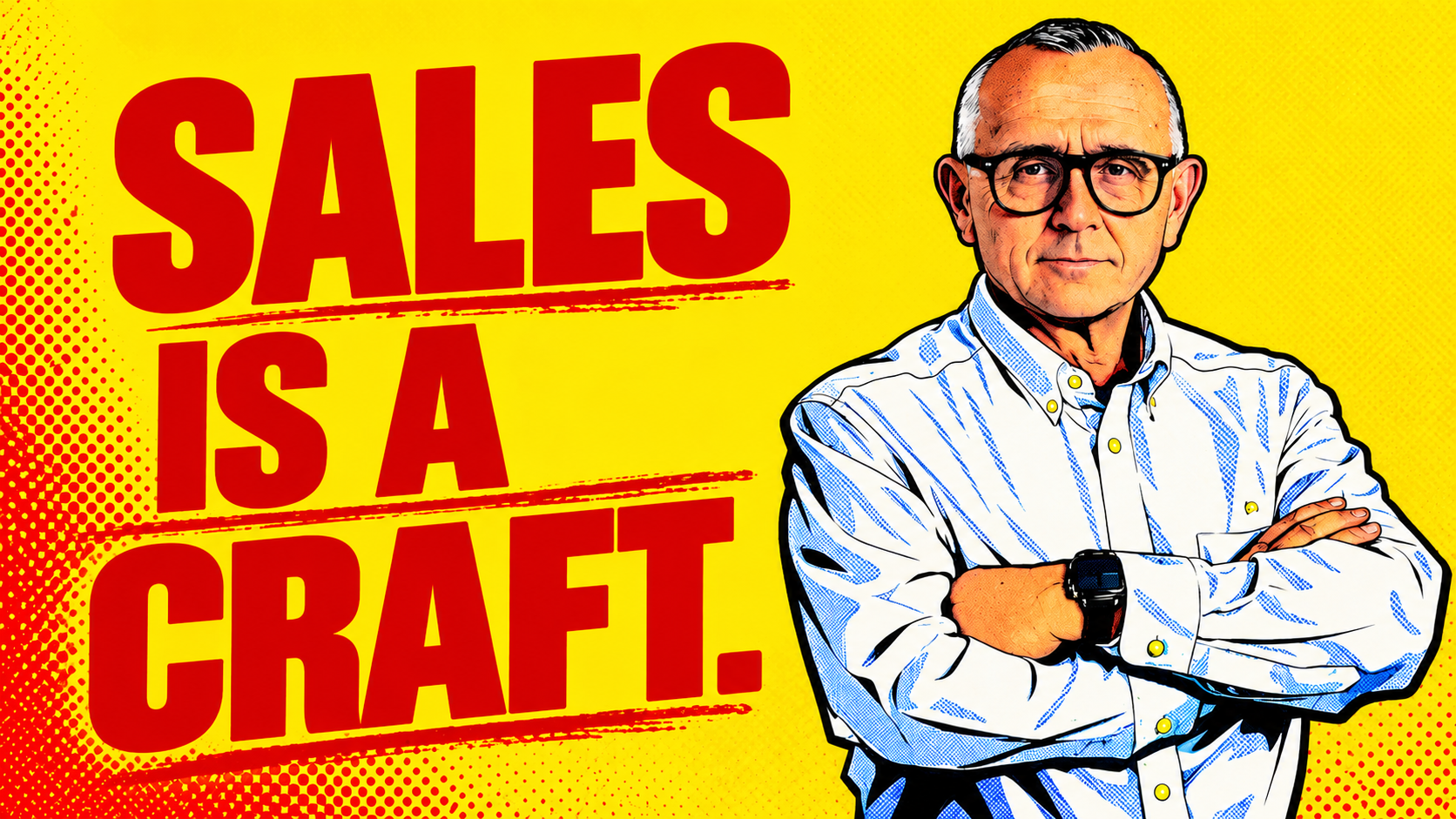
SALES IS A CRAFT. MASTER IT.

Everybody talks about sales strategy.

  • Market strategies.
  • Growth strategies.
  • Customer strategies.
  • Go-to-market strategies.

Fine.

But even the smartest strategy is worthless if the execution is poor.

Sales is not only strategy. Sales is craftsmanship.

And craftsmanship means doing the basics exceptionally well. Every day. Again and again.

‍

‍

1. SHOW UP.

Go and see your customers.

Not only on Teams. Not only by email. Not only when there is an RFQ on the table.

Get in front of them.

Show genuine interest. Understand their business. Understand their problems. Build relationships.

And make one thing unmistakably clear:

We want your business.

Customers should feel that you are willing to work hard for the relationship.

‍

2. PRIORITIZE YOUR CUSTOMERS.

Not every customer deserves the same amount of your time.

Cluster them.

A. B. C.

Know which customers generate your business today — and which customers could generate your business tomorrow.

Define priorities.

Then define the right actions for every cluster.

  • Who needs a personal visit?
  • Who needs management attention?
  • Who needs technical support?
  • Who needs a call every month?

Stop treating every customer the same.

‍

3. PUT A NUMBER ON EVERY CUSTOMER.

What is the potential?

  • € 500,000?
  • €1 million?
  • € 5 million?

Define it.

Then define how much of that potential you intend to capture.

Because if you don't know where you want to go, don't be surprised where you end up.

Or, as the old saying goes:

“No wind is favorable to the sailor who does not know which port he is heading for.”

Customer potential without a target is just a number.

Give every important customer a destination.

‍

4. BE RELENTLESS.

Sales requires persistence.

Especially with customers who are not buying from you yet.

And especially with customers you have lost to competitors.

My rule is simple:

Approach them ten times.

Call. Visit. Follow up. Bring an idea. Bring an expert. Bring a solution. Come back.

  • Again.
  • Again.
  • Again.

Not because you want to annoy them.

Because you want them to understand:

We want you as our customer. And we are willing to fight for your business.

‍

5. WORK. WORK. WORK.

There is no sophisticated substitute for hard work in sales.

  • Do your homework.
  • Prepare your meetings.
  • Know the customer.
  • Know the decision-makers.
  • Know the competition.
  • Know the opportunity.

‍

  • Follow up.
  • Keep your promises.
  • Document what you agreed.
  • Define the next step.

And then execute it.

That is what I mean by clean sales craftsmanship.

Sales success is not created in PowerPoint.

It is created through hundreds of disciplined actions in the market.

:devider:

Step by step.
Customer by customer.
Opportunity by opportunity.

Strategy tells you where to go.

Tactics get you there.

And execution separates those who talk about growth from those who actually deliver it.

Show up. Be prepared. Be persistent. Execute relentlessly.

That is sales!

:devider:
当然。这里是完整的**普通话/标准中文(简体中文)**版本。我保留了英文原文中直接、有力、强调执行力的语气,而不是逐字硬译。

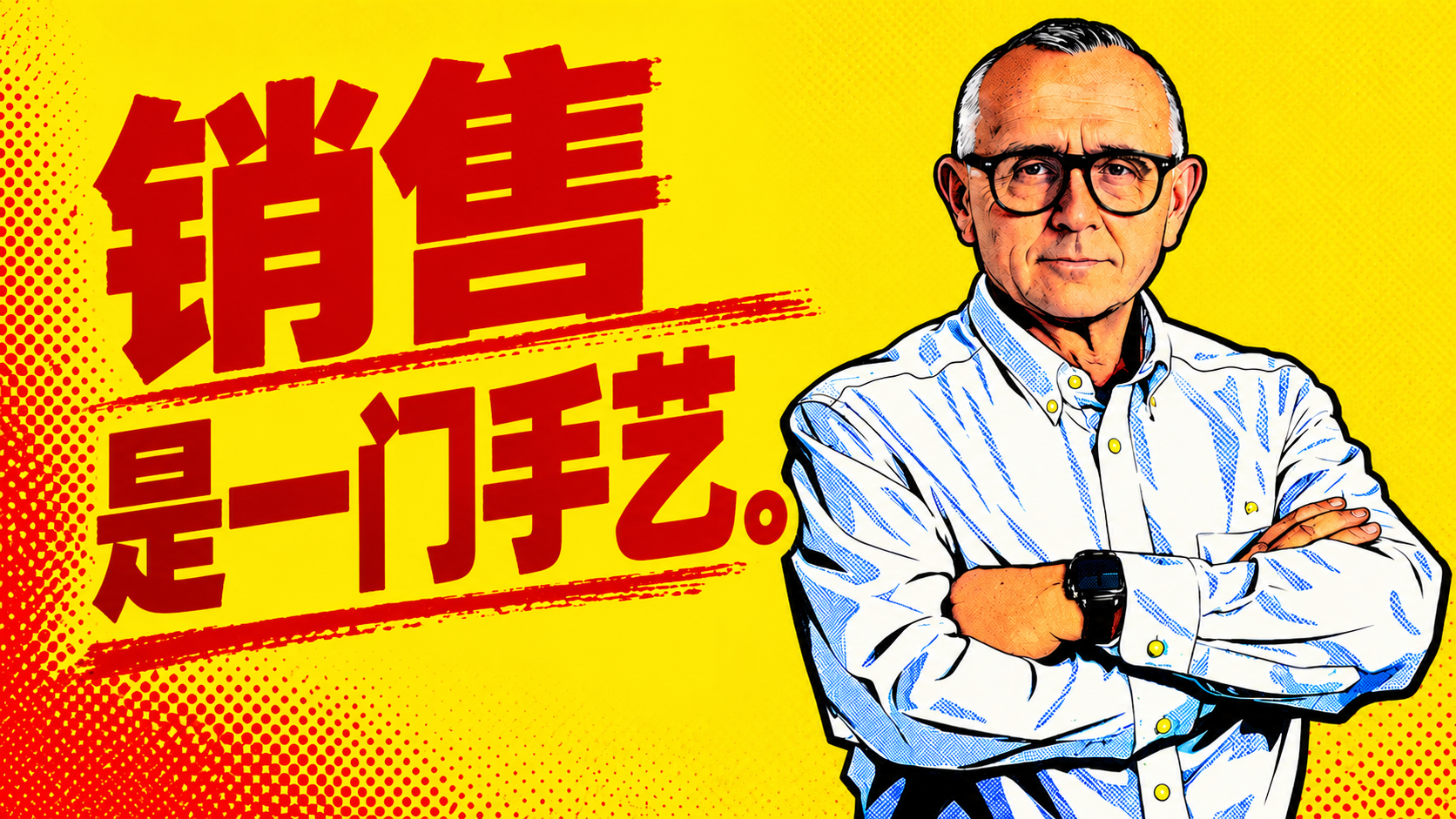
销售是一门手艺。把它做到极致。

每个人都在谈销售战略。

市场战略。
增长战略。
客户战略。
市场进入战略。

很好。

但即使是最聪明的战略,如果执行不到位,也毫无价值。

销售不仅仅是战略。销售更是一门手艺。

而真正的专业,意味着把最基本的事情做到极致。日复一日,一次又一次。

1. 走出去,见客户。

去见你的客户。

不要只在 Teams 上沟通。
不要只发邮件。
更不要等到客户发出询价(RFQ)时才出现。

面对面去见他们。

表现出真正的兴趣。了解他们的业务,了解他们的问题,建立真正的客户关系。

最重要的是,要让客户清楚地感受到:

我们想赢得你的业务。

客户应该感受到,你愿意为建立这段合作关系付出努力。

2. 明确客户优先级。

不是每一个客户都值得你投入同样多的时间。

对客户进行分类。

A 类。B 类。C 类。

你必须知道:哪些客户今天正在为你创造业务,哪些客户未来能够为你创造业务。

明确优先级。

然后针对不同的客户群体,制定相应的行动计划。

哪些客户需要亲自拜访?
哪些客户需要管理层关注?
哪些客户需要技术支持?
哪些客户需要每个月主动联系?

不要再用同一种方式对待所有客户。

3. 给每一个客户设定一个明确的数字目标。

这个客户的潜力有多大?

50 万欧元?
100 万欧元?
500 万欧元?

把它定义清楚。

然后再明确:你准备拿下其中多少业务?

因为,如果你自己都不知道要去哪里,那么最终到达哪里也就不足为奇。

正如那句古老的格言:

“对于不知道自己要驶向哪个港口的人来说,任何风都不是顺风。”

客户潜力如果没有目标,就只是一个数字。

为每一个重要客户设定一个明确的目标。

4. 坚持到底。

销售需要坚持。

尤其是面对那些还没有向你采购的潜在客户。

更尤其是那些已经转向竞争对手的客户。

我的原则很简单:

主动接触他们十次。

打电话。拜访。跟进。带着新的想法去。带着专家去。带着解决方案去。

然后,再去一次。

再一次。

再一次。

不是为了骚扰客户。

而是要让客户明白:

我们想要你成为我们的客户。我们愿意为赢得你的业务而战。

5. 干。干。干。

在销售中,没有任何高深的方法可以替代勤奋和努力。

做好功课。

认真准备每一次客户会议。

了解客户。
了解决策者。
了解竞争对手。
了解销售机会。

持续跟进。

兑现你的承诺。

记录双方达成的共识。

明确下一步行动。

然后:

执行。

这就是我所说的:

扎扎实实的销售基本功。

销售成功不是在 PowerPoint 里创造出来的。

销售成功来自市场上一百次、一千次纪律严明、持续不断的行动。

一步一步。
一个客户一个客户。
一个机会一个机会。

战略告诉你应该去哪里。

战术让你真正到达那里。

而执行力,最终区分了两种人:

一种人只会谈论增长。

另一种人真正实现增长。

走出去。做好准备。坚持到底。坚决执行。

这,就是销售。

‍

About Ulvi I. AYDIN