Power Begins Where Fear Ends


What is power?
Most people associate power with hierarchy, titles, authority, or the ability to make decisions.
Others see it as control, influence, or even intimidation.
My experience has taught me something entirely different.
As an Interim Executive, I am typically brought into companies by shareholders, private equity firms, supervisory boards, or the restructuring departments of banks. I enter the organization with a clear mandate from the very top.
Long before I have my first meeting, one thing already exists: the perception of power.
People immediately begin asking themselves questions.
- Why is he here?
- What is going to change?
- Who will stay?
- Who will leave?
- Will I still have a job?
These reactions are completely natural. But they also reveal something important.
Fear changes behavior.
:devider:
When people become afraid, they stop focusing on customers, innovation, and performance.
Instead, they focus on protecting themselves. Information is withheld. Decisions are delayed. Politics begin to replace leadership.
Fear is one of the most expensive costs any organization can carry.
That is why my first task is rarely restructuring the business.
My first task is restructuring trust.

Before changing an organization, you must change the emotional climate inside it.
- People need clarity.
- They need to understand why I am there.
- They need to know that I am not looking for someone to blame, nor am I there to demonstrate authority.
I am there for one reason only:
To help the organization become successful again.
:devider:
That success may be measured by revenue, market share, profitability, EBIT, cash flow, or customer satisfaction—but the objective is always the same: create a healthier, stronger, and more competitive business.
In my experience, most transformations do not fail because of poor strategies.
They fail because people are afraid.
- Afraid of change.
- Afraid of making mistakes.
- Afraid of losing status.
- Afraid of making decisions.
That is why leadership is not primarily about managing processes.
Leadership is about replacing fear with clarity, confidence, and purpose.
:devider:
I firmly believe this:
The greatest power of an Interim Executive is not that he or she was sent by the owners.
The greatest power lies in transforming fear into trust, trust into action, and action into measurable business results.
:devider:
People may initially follow your position.
But over time, they follow your credibility.
Authority may secure compliance.
Trust creates commitment.
And commitment creates extraordinary performance.
:devider:
Throughout my career, I have witnessed the same pattern again and again.
The very people who were hesitant, defensive, and uncertain during the first days often become the strongest drivers of change only weeks later.
Not because their capabilities suddenly improved.
But because the environment changed.
- They gained clarity.
- They understood the mission.
- They knew what success looked like.
- And they realized they were part of the solution—not part of the problem.
That is the moment when organizational politics begin to disappear.
- That is when accountability replaces excuses.
- That is when speed replaces hesitation.
- That is when an organization starts behaving like a real team again.
To me, this is the true meaning of power.
- Power is not control.
- Power is not dominance.
- Power is not fear.
True power is the ability to give people the confidence to achieve far more together than they ever believed possible on their own.
Because in the end...
Power begins where fear ends.
About Ulvi I. AYDIN
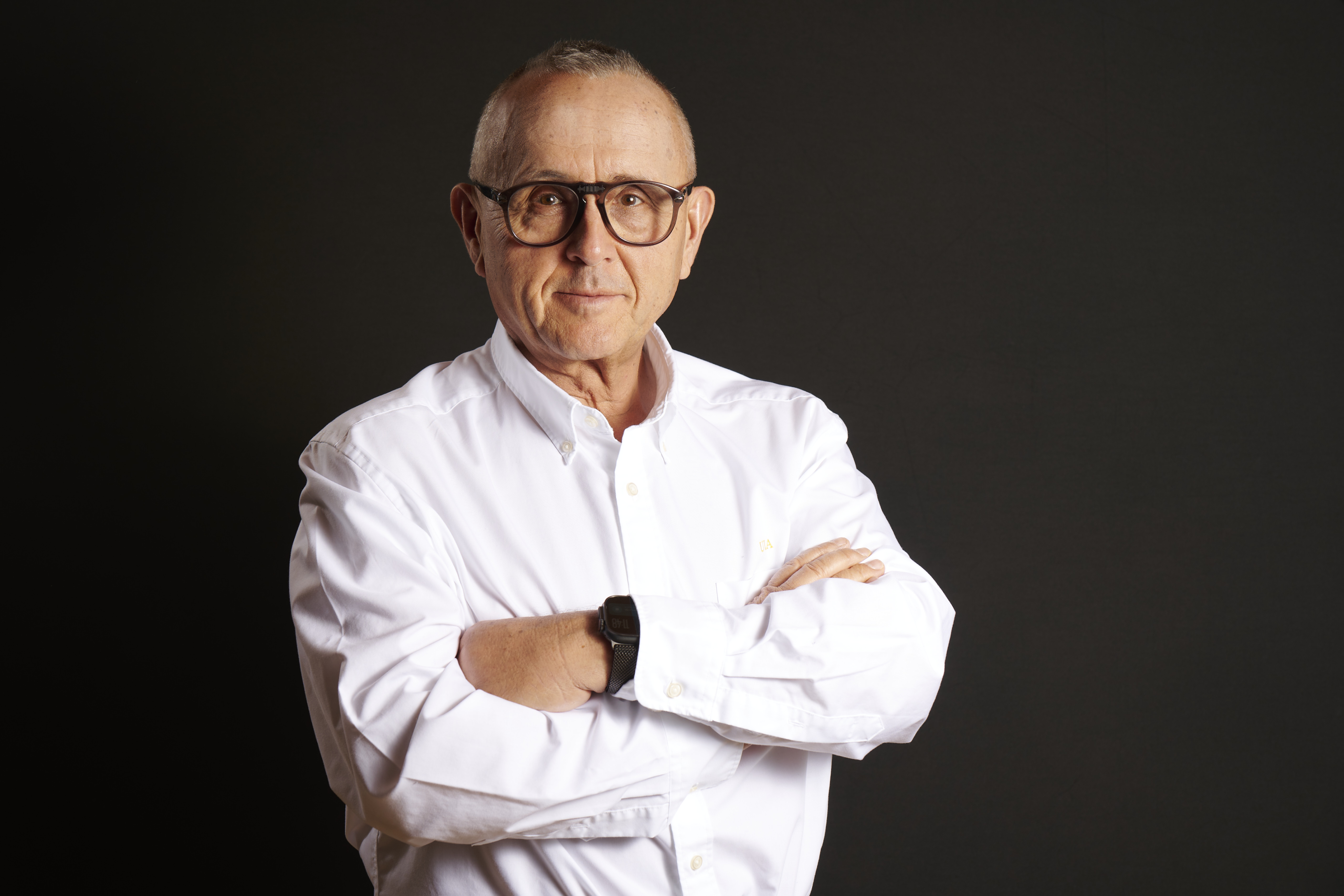
Ulvi I. AYDIN: Als international agierender Interim-CEO und -CSO unterstützt er mittelständische Unternehmen und Konzerne bei Marken- und Marktentwicklung, Neu-Positionierung, Organisations-Entwicklung, Restrukturierung und Vertriebsexzellenz.